When Storage Is Done Right, Everything Else Runs More Smoothly
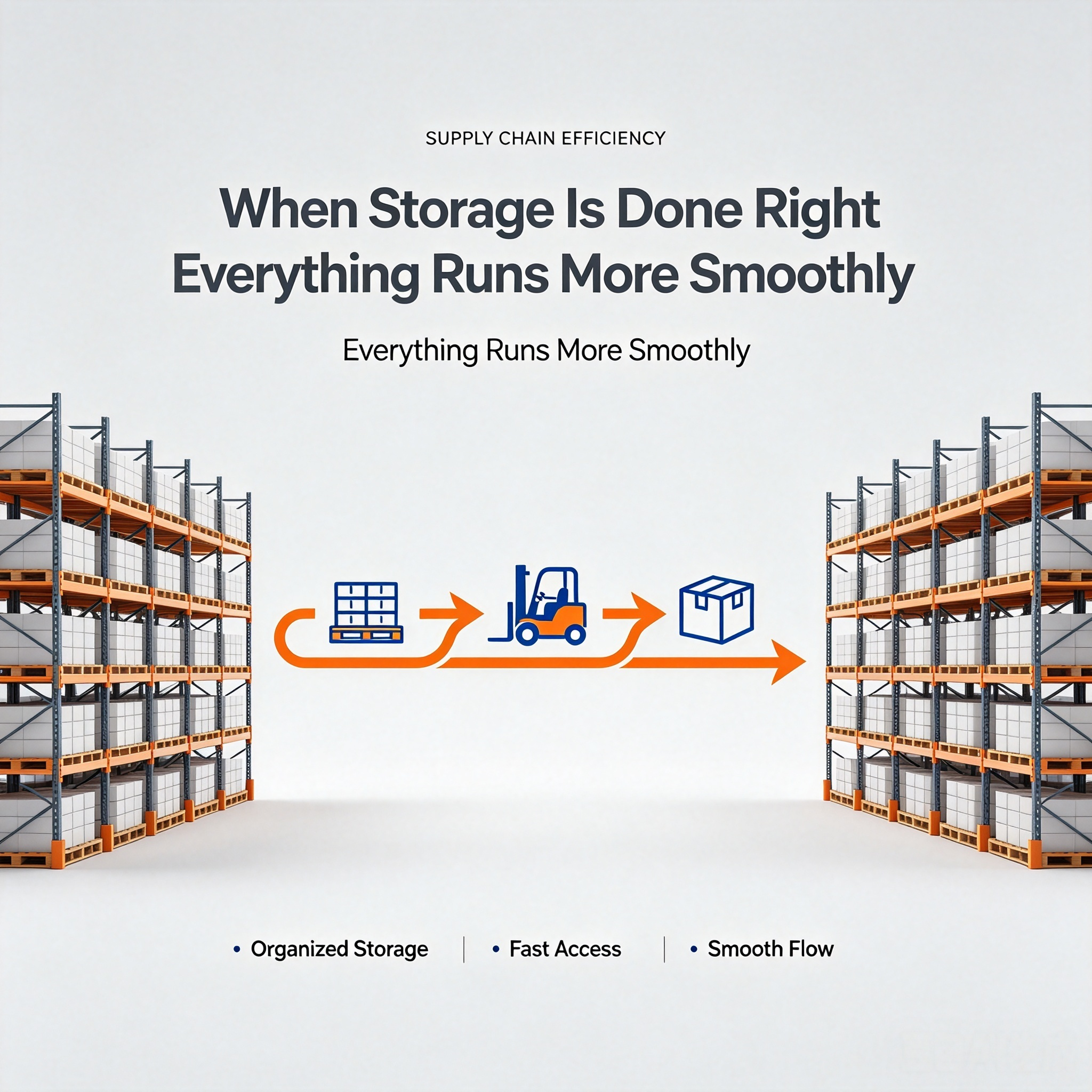
Steel belts are built to handle demanding industrial environments. They're strong, wear-resistant, and designed for long service life. Oddly enough, many of them are damaged before they're ever installed.
The problem isn't the belt itself. It's how it's stored and transported.
A scratched edge, slight deformation, or moisture trapped during shipping can shorten the service life of an expensive steel belt. For manufacturers, distributors, and maintenance teams, these issues translate directly into unnecessary costs and production delays.
That's exactly where a Steel Belt Box becomes valuable.
A well-designed Steel Belt Box isn't simply a shipping container. It's an engineered storage solution that protects coiled steel belts from impact, dust, corrosion, and handling damage throughout logistics and warehouse operations.
Whether you're purchasing packaging for conveyor belts, steel strip products, or precision metal belts, understanding the box itself is just as important as understanding the product inside.
Table of Contents
1. Why Steel Belt Boxes Matter in Industrial Storage
2. Materials and Structural Design
3. Key Performance Features
4. Technical Comparison Table
5. Where Steel Belt Boxes Are Used
6. Real Industry Case Study
7. What Buyers Should Evaluate Before Purchasing
8. Frequently Asked Questions
9. Final Thoughts
What Is a Steel Belt Box?
A Steel Belt Box is a heavy-duty storage and transportation container specifically designed to protect coiled steel belts, steel strips, or precision metal belts during handling, warehousing, and shipment.
Unlike standard packaging, these boxes are engineered to support concentrated loads while minimizing movement inside the package. The goal is simple: keep the steel belt in exactly the same condition as when it left the production line.
Depending on the application, a Steel Belt Box may include:
Reinforced steel frame construction
Heavy-duty corrugated or plywood outer panels
Internal support brackets
Moisture-resistant lining
Anti-vibration cushioning
Coil locking systems
Forklift-compatible base structures
These design elements work together to reduce mechanical stress during transport.
Material Selection Directly Affects Service Life
I've seen buyers focus almost entirely on dimensions and price. That's understandable—but material selection usually determines whether a storage box lasts for years or only a handful of shipping cycles.
High-quality Steel Belt Boxes commonly combine multiple materials, each serving a different purpose.
Component | Common Material | Primary Function |
Structural Frame | Carbon Steel or Galvanized Steel | Load-bearing strength |
Outer Panels | Plywood or Heavy Corrugated Board | External protection |
Interior Lining | Foam, PE Film or VCI Paper | Surface protection |
Fasteners | Zinc-Plated Steel | Corrosion resistance |
Base | Reinforced Steel Skid | Forklift handling |
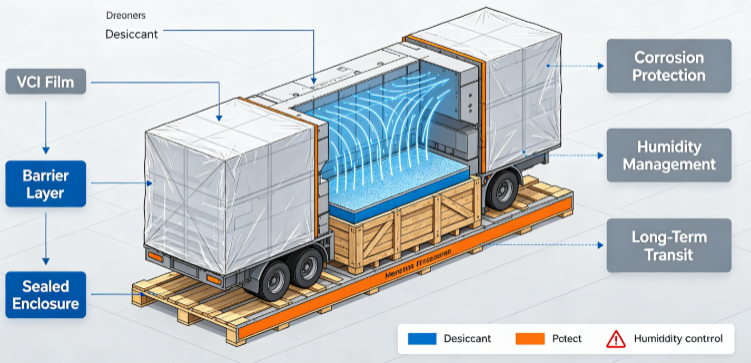
For export shipments, corrosion protection becomes particularly important. Moisture exposure during ocean freight can easily lead to surface oxidation if packaging is poorly designed.
That's why many industrial exporters combine sealed packaging with moisture barrier materials and desiccants inside the box.
Structural Design Is About More Than Strength
Strength alone doesn't guarantee protection.
A storage box also needs to distribute loads correctly.
Steel belts are often wound into coils. During transportation, vibration and repeated impacts can cause those coils to shift slightly. Even minimal movement increases the risk of edge damage.
A properly engineered Steel Belt Box addresses this through structural details such as:
Reinforced Corner Design
Corners experience the highest impact during loading and unloading.
Additional reinforcement helps prevent deformation while maintaining the box's structural integrity.
Internal Coil Support
Rather than allowing the steel belt to rest directly against the outer wall, internal supports keep the coil centered and evenly loaded.
This reduces localized pressure points that may deform the belt during long-distance transportation.
Forklift Accessibility
Industrial warehouses depend heavily on forklifts.
A well-designed base allows stable lifting from multiple directions while minimizing the risk of accidental tipping.
Small design improvements like these often save considerable handling time across large warehouse operations.
Why High-Strength Steel Belt Boxes Improve Warehouse Efficiency
Protection is only part of the equation.
Storage efficiency matters just as much.
Standardized Steel Belt Boxes simplify warehouse management by making stacking, labeling, inventory control, and transportation more predictable.
Some practical advantages include:
Better load stability during transport
Reduced handling damage
Improved warehouse organization
Faster loading and unloading
Safer forklift operations
Lower packaging replacement costs
Easier identification through customized labeling
According to the Material Handling Institute (MHI) , standardized industrial packaging contributes to improved warehouse efficiency by supporting safer handling practices and more consistent storage operations. While the exact benefits depend on the facility and workflow, packaging designed specifically for the product generally reduces unnecessary handling risks.
Quality Control Begins Before Production
Reliable manufacturers don't inspect quality only after the box is finished.
Quality control starts with incoming materials.
Typical inspection procedures include:
Raw Material Verification
Steel thickness, mechanical properties, coating quality, and dimensional accuracy are checked before fabrication begins.
Welding Inspection
For steel-frame designs, weld consistency directly affects structural performance.
Visual inspection and dimensional verification help ensure reliable load capacity.
Dimensional Accuracy
Internal dimensions must match the customer's steel belt specifications closely enough to prevent movement without making loading difficult.
Even a few millimeters of unnecessary clearance can increase transportation vibration over long distances.
Where Steel Belt Boxes Are Used
Although the name sounds quite specific, a Steel Belt Box is used across a wide range of industries where steel belts, precision steel strips, or coiled metal materials require secure storage and transportation.
The common goal is always the same: protect the product from physical damage before it reaches the customer or production line.
Typical applications include:
Steel Belt Manufacturing
Manufacturers use Steel Belt Boxes to package finished steel belts before domestic or international shipment. Proper packaging helps maintain edge quality and surface finish throughout transportation.
Food Processing Conveyor Systems
Stainless steel conveyor belts used in food processing require clean, damage-free surfaces. A sealed Steel Belt Box helps prevent contamination from dust, moisture, and accidental scratches before installation.
Automotive Manufacturing
Steel strips and precision metal belts are widely used in automotive production equipment. During warehouse storage, properly supported packaging reduces the risk of deformation that could affect later assembly accuracy.
Industrial Machinery
Equipment builders often receive customized steel belts manufactured to precise dimensions. Protective packaging minimizes installation delays caused by transportation damage.
Export Logistics
International shipments usually involve multiple loading and unloading operations.
A robust Steel Belt Box provides additional protection against:
Forklift impacts
Container vibration
Ocean humidity
Moisture and Corrosion Risks
Long-distance transportation, especially by sea, exposes packaged products to fluctuating temperatures and humidity. Many manufacturers therefore incorporate moisture-control measures such as VCI (Volatile Corrosion Inhibitor) paper, PE protective film, or desiccants inside the Steel Belt Box to reduce the risk of corrosion during transit.
For stainless steel belts, this is an extra layer of protection. For carbon steel belts, it's often essential.
Case Study: Reducing Transit Damage in Steel Belt Exports
One example comes from the global steel packaging industry.
According to guidance published by the World Steel Association, improper packaging and handling are among the leading causes of damage during steel transportation. Surface scratches, edge deformation, and moisture exposure can significantly affect the usability of high-value steel products, particularly precision steel strips and belts.
A machinery component supplier exporting precision steel belts to Southeast Asia upgraded from standard wooden crates to reinforced Steel Belt Boxes featuring:
Internal coil support brackets
Steel skid base
Moisture-barrier packaging
Forklift entry on four sides
The result wasn't a dramatic redesign of the product—it was a smarter packaging solution.
The company reported:
Fewer customer complaints related to transportation damage
Improved unloading efficiency at overseas warehouses
Better stacking stability inside shipping containers
Reduced packaging replacement costs over repeated shipping cycles
It's a good reminder that packaging should be viewed as part of the product protection system rather than an afterthought.
What Buyers Should Evaluate Before Purchasing a Steel Belt Box
Price is always part of the discussion.
But experienced procurement teams know that the lowest purchase cost doesn't always translate into the lowest overall logistics cost.
Before placing a bulk order, consider these factors.
Load Capacity
Ask for the maximum static and dynamic load ratings.
The box should safely support the weight of the steel belt while remaining stable during lifting and transportation.
Internal Dimensions
Oversized packaging allows unnecessary movement.
Undersized packaging creates excessive pressure on the steel belt.
The internal dimensions should match the belt coil specifications closely while allowing efficient loading.
Surface Protection
Different steel products require different levels of protection.
For high-precision belts, consider packaging with:
Foam cushioning
Edge protectors
VCI corrosion protection
PE moisture barriers
Anti-abrasion liners
Reusability
Reusable Steel Belt Boxes generally offer lower long-term operating costs for companies with continuous shipping requirements.
Although the initial investment is higher, repeated use often offsets the additional purchase cost.
Compliance with Export Requirements
For international shipments, buyers should verify that packaging materials comply with destination-country regulations.
If wooden components are used, they may need to comply with ISPM 15 phytosanitary requirements.
Frequently Asked Questions
What is the primary purpose of a Steel Belt Box?
A Steel Belt Box protects steel belts, steel strips, and similar coiled metal products during storage, warehouse handling, and transportation. It minimizes physical damage, moisture exposure, and deformation.
Which industries commonly use Steel Belt Boxes?
Typical users include:
Steel manufacturers
Conveyor belt manufacturers
Automotive suppliers
Industrial machinery builders
Food processing equipment manufacturers
Metal service centers
International logistics companies
Can Steel Belt Boxes be customized?
Yes.
Many manufacturers provide OEM and custom solutions, including:
Custom dimensions
Different load capacities
Reinforced steel frames
Company logos
Export-ready packaging
Specialized internal support systems
How long can a Steel Belt Box be reused?
That depends on its construction, operating environment, and handling practices.
A well-manufactured steel-frame box used under normal industrial conditions can often complete many transportation cycles before requiring refurbishment or replacement.
Final Thoughts
Industrial packaging doesn't usually attract much attention—until something goes wrong.
A damaged steel belt can delay production schedules, increase replacement costs, and affect customer satisfaction. Investing in a properly engineered Steel Belt Box is one of the simplest ways to reduce those risks.
The best storage solutions combine structural strength, thoughtful internal support, corrosion protection, and practical handling features. Together, these elements help preserve product quality from the factory floor to the customer's warehouse.
For procurement managers, warehouse supervisors, and project engineers, selecting the right Steel Belt Box isn't simply about choosing a container. It's about protecting valuable materials, improving logistics efficiency, and lowering the total cost of ownership throughout the supply chain.
Ready to Transform Your Packaging?
联系我们获取定制报价,我们的专业团队将为您设计最佳的包装解决方案